

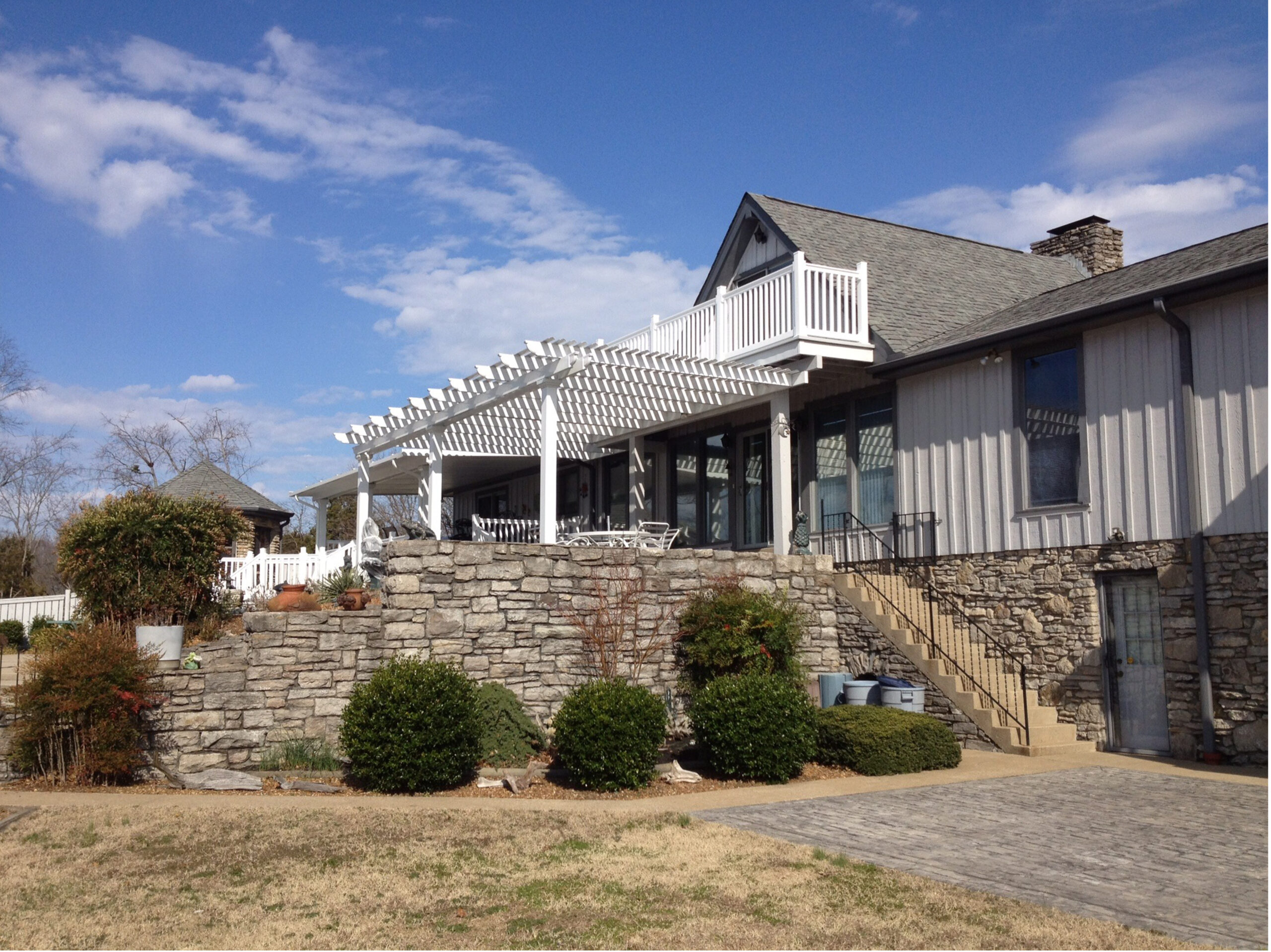
A patio cover can transform your outdoor space into a more comfortable and functional area for relaxing, entertaining, and enjoying fresh air throughout the year. Whether you want protection from the sun, shelter from light rain, or a more defined outdoor living area, choosing the right patio cover material is an important decision. Different materials offer unique benefits in terms of durability, appearance, maintenance, and cost. Understanding the advantages and disadvantages of popular patio cover options can help you select the best solution for your home and lifestyle.
Aluminum Patio Covers
Aluminum is one of the most popular materials for patio covers because it offers durability, low maintenance, and long-lasting performance. Aluminum patio covers are resistant to rust, insects, and many weather-related issues, making them a practical choice for homeowners who want a dependable outdoor structure.
One of the biggest advantages of aluminum is that it requires very little upkeep compared to other materials. It does not need regular painting or sealing and can withstand exposure to rain, humidity, and sunlight. However, some homeowners feel aluminum lacks the natural warmth and character of materials like wood. While modern designs can mimic other finishes, aluminum may not provide the same traditional appearance as natural materials.
Wood Patio Covers
Wood patio covers are a classic option that can add warmth, charm, and natural beauty to an outdoor living space. Many homeowners choose wood because it blends seamlessly with landscaping and complements a variety of architectural styles. Wood can also be customized with different stains, paints, and designs to create a personalized look.
The main drawback of wood is the maintenance required to keep it looking its best. Wood patio covers must typically be stained, sealed, or painted regularly to protect against moisture, insects, and sun damage. Without proper care, wood can warp, crack, rot, or require repairs over time. While wood requires more maintenance, many homeowners appreciate its timeless appearance and design flexibility.
Vinyl Patio Covers
Vinyl patio covers offer a low-maintenance alternative that provides a clean and attractive appearance. Vinyl is resistant to moisture, insects, and fading, making it a convenient option for homeowners who want a durable outdoor structure without frequent upkeep. It can also be cleaned easily with basic soap and water.
One advantage of vinyl is that it does not require painting or staining like wood. However, vinyl may have fewer customization options compared to other materials. Some homeowners may also prefer the appearance of natural wood over synthetic materials. Additionally, extreme temperature changes can affect vinyl over time, so choosing a high-quality product and proper installation is important.
Steel Patio Covers
Steel patio covers are known for their strength and ability to withstand harsh weather conditions. This material is often chosen for larger structures or homeowners looking for a heavy-duty option. Steel provides excellent durability and can support larger designs, making it suitable for patios that require additional structural strength.
While steel is extremely strong, it can require more maintenance than aluminum because it may be susceptible to rust if not properly treated or coated. Steel patio covers can also be heavier, which may require additional structural support during installation. For homeowners prioritizing strength and longevity, steel can be a reliable choice when properly maintained.
Composite Patio Covers
Composite materials combine different components to create a durable option that often resembles the appearance of wood. These patio covers are designed to provide the beauty of natural materials while reducing maintenance requirements. Composite options are resistant to moisture, insects, and fading, making them an appealing choice for many homeowners.
The primary disadvantage of composite patio covers is the higher upfront cost compared to some traditional materials. While they can save money over time through reduced maintenance, the initial investment may be greater. Additionally, some composite materials may not have the exact texture or appearance of real wood, which may be a consideration for homeowners seeking an authentic look.
Retractable Patio Covers
Retractable patio covers provide flexibility by allowing homeowners to adjust their outdoor coverage based on weather conditions. These systems can provide shade during hot summer days and open up to allow more sunlight when desired. They are ideal for homeowners who want control over their outdoor environment.
The main consideration with retractable covers is that they are often more expensive than fixed patio cover options. They may also require more maintenance because of moving parts and mechanical components. However, the ability to customize your outdoor experience can make retractable covers a valuable addition for many homes.
Consider Your Climate and Maintenance Needs
When choosing a patio cover material, it is important to consider your local climate and how much maintenance you are willing to perform. Areas with heavy rain, strong sunlight, humidity, or seasonal weather changes may require materials designed for added durability. Homeowners who prefer a low-maintenance solution may lean toward aluminum, vinyl, or composite options, while those who value natural beauty may prefer wood.
Think About Your Home’s Style
The appearance of your patio cover should complement the existing design of your home. A well-designed patio cover can enhance your outdoor space and create a seamless connection between indoor and outdoor areas. Consider the colors, textures, and architectural style of your home when selecting materials. The right choice should improve both the function and appearance of your property.
Choosing the right patio cover material requires balancing appearance, durability, maintenance, and budget. Aluminum, wood, vinyl, steel, composite, and retractable options each offer unique advantages and considerations. By understanding the pros and cons of each material, homeowners can make an informed decision and create an outdoor living space that provides comfort, style, and lasting value for years to come.