

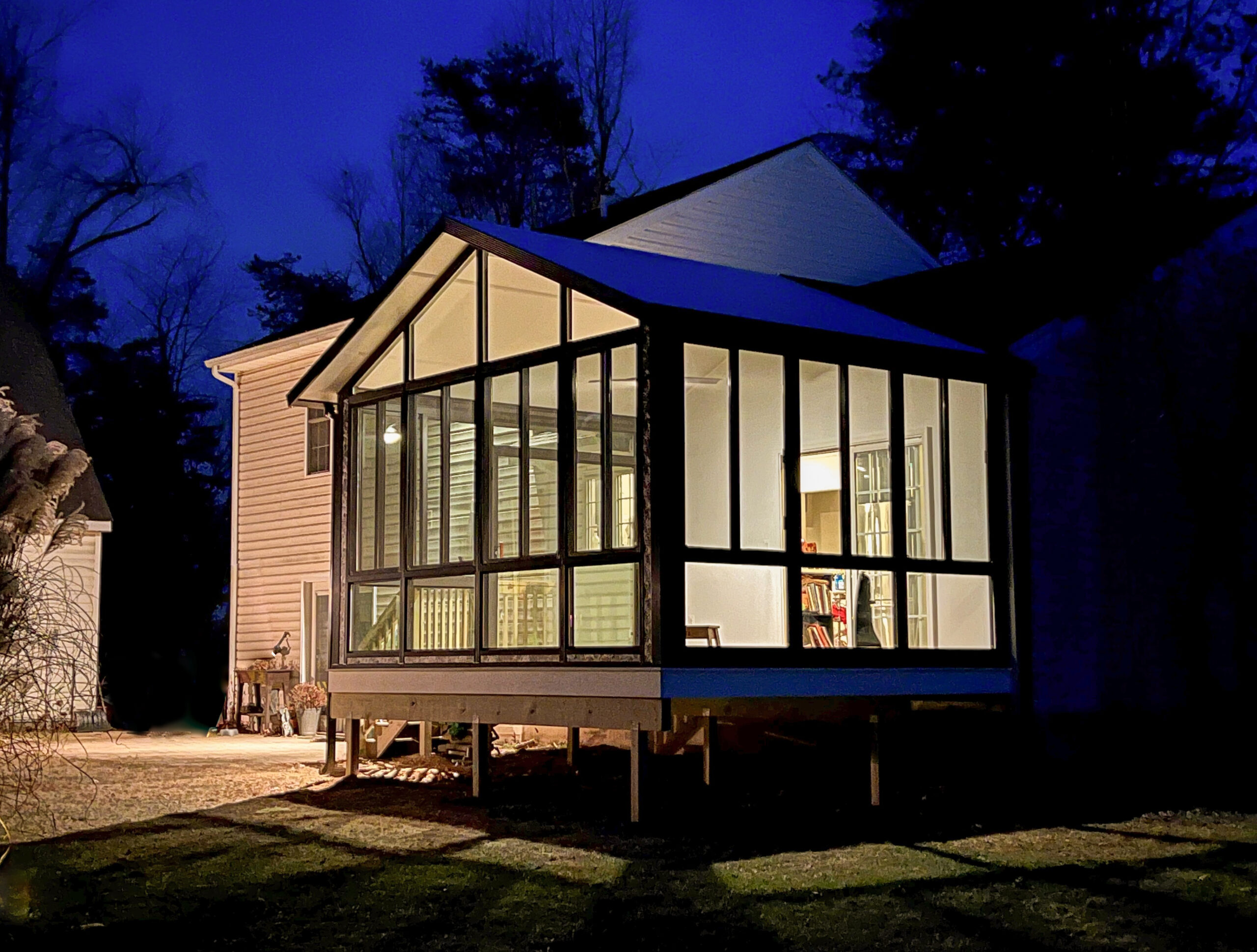
Sunrooms continue to grow in popularity as homeowners look for ways to bring more light and flexibility into their living spaces. In 2026, the focus is shifting toward designs that feel seamless, functional, and connected to the outdoors. It’s no longer just about adding extra space, but about creating an environment that enhances daily life. Comfort, efficiency, and style are all playing a bigger role in modern sunroom design.
As trends evolve, homeowners are also looking for features that add long-term value. Energy efficiency, smart technology, and multi-use layouts are becoming standard expectations. At the same time, aesthetics are leaning toward clean, natural, and open designs. These trends reflect a balance between practicality and visual appeal.
Seamless Indoor-Outdoor Transitions
One of the biggest trends for 2026 is creating a smooth connection between indoor and outdoor spaces. Sunrooms are being designed to feel like a natural extension of the home rather than a separate addition. Large sliding or folding glass doors are becoming more common, allowing the space to open fully when the weather allows. This creates a more flexible and open environment.
Homeowners are also paying more attention to how the sunroom connects to patios, decks, and gardens. Matching flooring materials and consistent design elements help unify the spaces. The goal is to blur the line between inside and outside. This approach makes the entire area feel larger and more cohesive.
Energy-Efficient Materials and Design
Energy efficiency is a major focus in newer sunroom designs. High-performance glass with better insulation helps regulate indoor temperatures throughout the year. This reduces the need for heating and cooling, making the space more comfortable and cost-effective. It also allows homeowners to use their sunroom in all seasons.
Frames and construction materials are also improving. Modern aluminum and composite materials offer better durability and insulation than older options. These upgrades not only improve performance but also reduce long-term maintenance. Energy-efficient design is quickly becoming a standard expectation rather than an upgrade.
Multi-Functional Living Spaces
Sunrooms in 2026 are no longer limited to one purpose. Homeowners are designing them to serve multiple functions, such as a lounge, dining area, or workspace. This flexibility makes the space more useful throughout the day. It also helps maximize the value of the addition.
Furniture choices are reflecting this trend as well. Modular seating, foldable tables, and adaptable layouts are becoming more common. These features allow the space to change based on your needs. A well-designed sunroom can easily shift from a quiet retreat to a social gathering area.
Minimalist and Natural Aesthetics
Design trends are leaning toward simplicity and natural elements. Clean lines, neutral colors, and uncluttered layouts create a calm and inviting atmosphere. Large windows remain a key feature, allowing natural light to take center stage. This minimalist approach helps the space feel open and relaxing.
Natural materials like wood, stone, and woven textures are also gaining popularity. These elements add warmth and balance to the modern design. Plants and greenery are often incorporated to enhance the connection to the outdoors. The result is a space that feels both stylish and comfortable.
Smart Technology Integration
Technology is becoming a more common feature in sunroom design. Automated blinds, climate control systems, and smart lighting allow homeowners to adjust the space with ease. These features improve comfort and make the sunroom more convenient to use. They also help manage energy efficiency.
Smart systems can be controlled through mobile apps or voice assistants. This adds a level of customization that wasn’t as accessible in the past. As smart home technology continues to grow, its integration into sunrooms is becoming more expected. It’s a practical upgrade that enhances everyday use.
Enhanced Comfort Features
Comfort is a major priority in modern sunroom design. Features like ceiling fans, built-in heaters, and improved ventilation systems help maintain a pleasant environment year-round. These additions make the space usable in different weather conditions. A comfortable sunroom becomes a true extension of the home.
Seating and layout also play a role in comfort. Soft furnishings, layered textures, and thoughtful spacing create a more inviting feel. The goal is to design a space where people want to spend time. Comfort-driven design ensures the sunroom is used regularly.
Customization and Personalization
Homeowners are increasingly looking for ways to make their sunrooms unique. Custom layouts, finishes, and design elements allow the space to reflect personal style. This might include built-in shelving, unique lighting fixtures, or custom window designs. Personal touches make the space feel more intentional.
Customization also extends to how the space is used. Some homeowners prioritize relaxation, while others focus on entertaining or productivity. Designing with a specific purpose in mind leads to better results. A personalized sunroom adds both character and functionality.
Designing for the Future
Sunroom trends for 2026 highlight a shift toward more thoughtful and versatile design. Homeowners are looking for spaces that are not only beautiful but also practical and efficient. From energy-saving features to flexible layouts, every element serves a purpose. The result is a more functional and enjoyable living space.
As these trends continue to evolve, the focus remains on creating spaces that enhance everyday life. A well-designed sunroom can add comfort, value, and style to any home. By incorporating these modern features, you can build a space that feels current and lasting.