

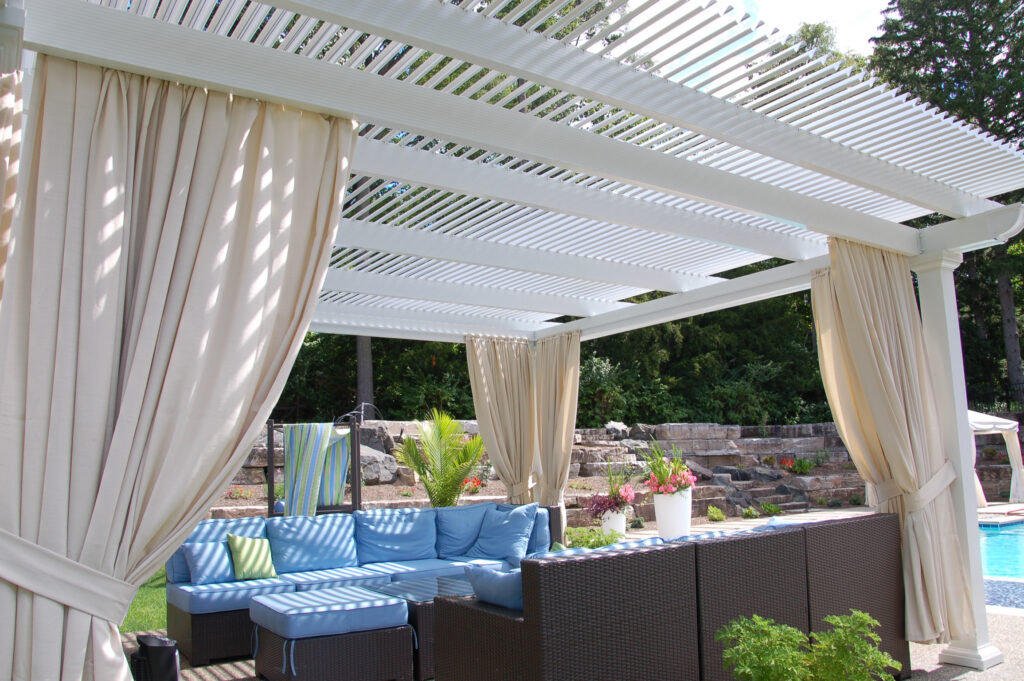
A pergola is more than just an outdoor structure—it is a design feature that can completely transform the look and feel of a garden. When thoughtfully integrated into a landscape, a pergola becomes a natural extension of the outdoor environment, blending architecture with greenery to create a balanced and inviting space. Whether used as a shaded walkway, an outdoor dining area, or a quiet retreat, a pergola can enhance both the function and beauty of your garden. Successful integration depends on careful planning, plant selection, placement, and design harmony that connects the structure to the surrounding landscape.
Choosing the Right Location in Your Garden
The placement of a pergola is one of the most important decisions in the design process. A well-positioned pergola should feel like a natural part of the garden rather than an afterthought. Many homeowners choose to place pergolas along pathways, over patios, or as focal points within garden beds. Positioning it near seating areas or outdoor dining spaces can create a seamless transition between structure and nature. Sun exposure should also be considered, as the pergola’s location will influence the level of shade and comfort it provides throughout the day.
Matching Pergola Design with Garden Style
To create a cohesive outdoor space, the style of the pergola should complement the overall garden design. A modern garden with clean lines may benefit from a minimalist metal or painted wood pergola, while a cottage-style garden pairs well with natural wood and more organic shapes. Rustic landscapes often incorporate weathered materials that blend into the environment, while formal gardens may use symmetrical designs and structured forms. Aligning the pergola’s aesthetic with the surrounding landscape helps ensure visual harmony and balance.
Using Climbing Plants for Natural Integration
One of the most effective ways to integrate a pergola into a garden is by incorporating climbing plants. Vines such as wisteria, clematis, roses, and grapevines can grow over the structure, softening its appearance and blending it into the landscape. Over time, these plants create a living canopy that enhances shade and adds seasonal color and fragrance. As the vegetation matures, the pergola becomes an organic part of the garden rather than a separate structure, increasing its visual appeal and natural charm.
Creating Flow Between Spaces
A well-designed landscape uses a pergola to create flow between different outdoor zones. For example, it can serve as a transition between a patio and a garden, or between a lawn and a more secluded seating area. By guiding movement through the garden, a pergola helps define pathways and encourages exploration of the space. This sense of flow makes the garden feel more organized and intentional while maintaining a natural and relaxed atmosphere.
Enhancing Shade and Comfort with Plant Pairings
Pairing a pergola with the right plantings enhances both shade and comfort. Trees, shrubs, and tall ornamental grasses placed around the structure can help filter sunlight and create a cooler microclimate. When combined with climbing plants on the pergola itself, these surrounding elements work together to provide layered shade. This approach not only improves comfort but also adds depth and texture to the landscape design, making the space more inviting during warmer months.
Incorporating Garden Lighting
Lighting plays a key role in integrating a pergola into a garden design, especially in the evening hours. String lights, lanterns, and built-in LED fixtures can highlight the structure while enhancing ambiance. Soft lighting wrapped around beams or woven through climbing plants creates a warm and inviting atmosphere. Pathway lighting leading to and from the pergola also helps connect it visually to the rest of the garden. Thoughtful lighting design ensures the pergola remains a focal point even after sunset.
Using Hardscaping to Anchor the Design
Hardscaping elements such as stone pathways, gravel beds, or wooden decking can help anchor a pergola within the landscape. These materials create a visual foundation that ties the structure to the surrounding garden. A stone path leading to the pergola, for example, establishes a clear connection between different areas of the yard. Similarly, a wooden deck beneath the pergola can create a defined living space that feels like an extension of the home. These features help unify the overall design.
Balancing Open Space and Structure
Successful garden design requires a balance between open space and built structures. A pergola should enhance the landscape without overwhelming it. Leaving enough open garden space around the structure ensures that the design feels breathable and natural. At the same time, surrounding the pergola with thoughtfully placed plants or decorative elements helps it feel integrated. This balance creates a harmonious environment where nature and architecture complement each other.
Adding Functional Outdoor Living Elements
A pergola can serve multiple functions within a garden, making it both a decorative and practical feature. It can be used as an outdoor dining area, a lounge space, or even a shaded reading nook. Incorporating furniture, cushions, and weather-resistant décor helps define its purpose while maintaining visual connection to the garden. When the pergola is designed with function in mind, it becomes a natural gathering space that enhances the overall usability of the landscape.
Creating Seasonal Interest
Integrating a pergola into a garden design also provides opportunities for seasonal variation. Flowering vines, seasonal plantings, and changing foliage ensure that the structure looks different and appealing throughout the year. In spring and summer, lush greenery and blooms can cover the pergola, while autumn brings warm tones and falling leaves. Even in winter, the structure itself provides architectural interest within the landscape. This seasonal evolution keeps the garden dynamic and engaging.
Enhancing Privacy with Greenery
Privacy is often an important consideration in outdoor spaces, and a pergola can be used to enhance seclusion within a garden. Dense climbing plants, tall hedges, and strategically placed shrubs can help create a more private environment around the structure. This natural screening effect allows homeowners to enjoy their outdoor space without feeling exposed. The combination of greenery and structural design creates a peaceful retreat within the garden.
Integrating a pergola into a garden design requires thoughtful planning, but the results can dramatically enhance both beauty and functionality. By carefully selecting placement, materials, plant pairings, and supporting landscape elements, a pergola becomes a seamless part of the outdoor environment. It can define spaces, provide shade, support plant growth, and create inviting areas for relaxation and entertainment. When designed with intention, a pergola transforms a garden into a cohesive and immersive outdoor living experience that evolves beautifully throughout the seasons.