

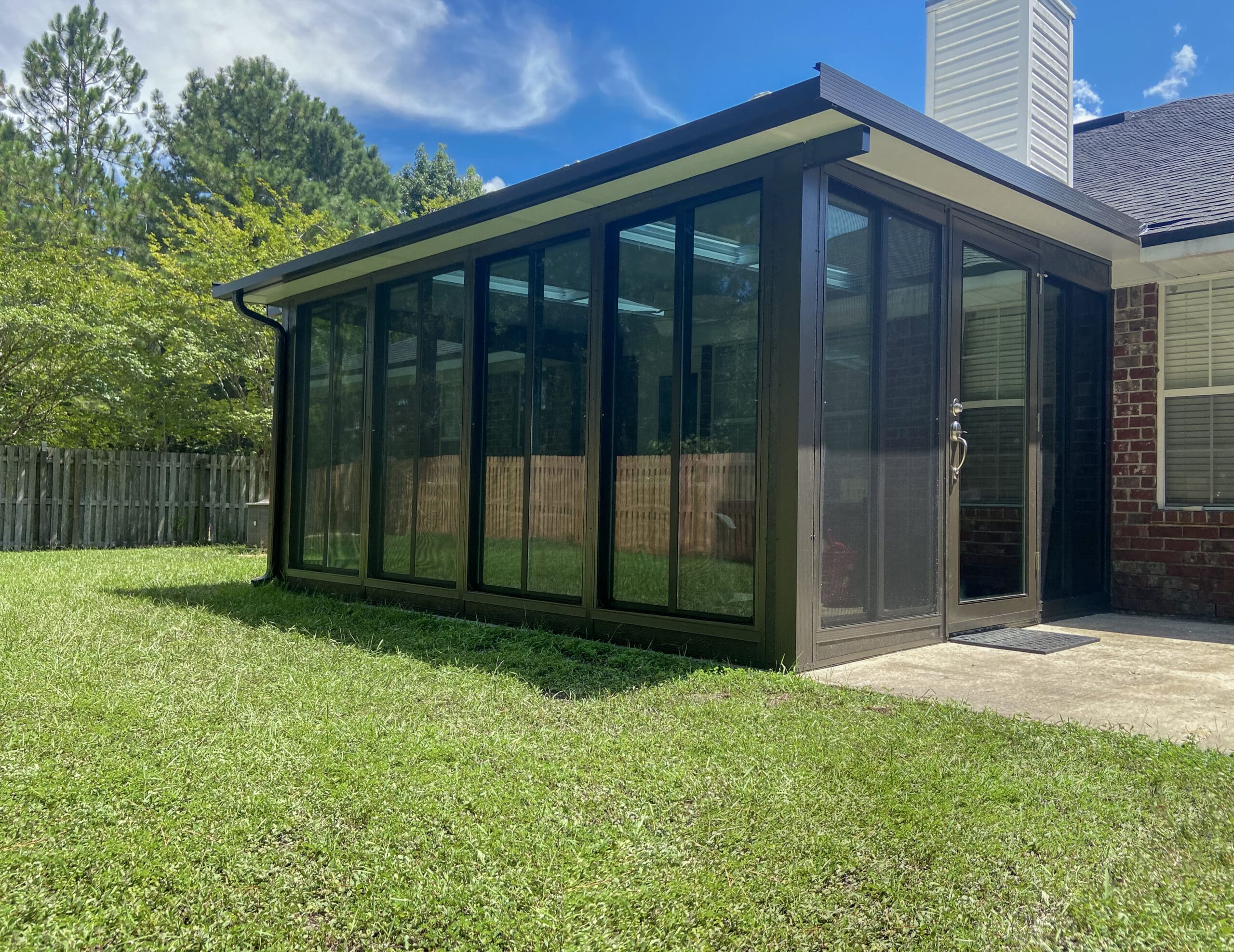
A sunroom can add comfort, natural light, and extra living space to your home, but the best designs feel like they were part of the original plan. When a sunroom matches your home’s architecture, it looks more polished from the outside and feels more connected from the inside. With the right materials, proportions, roofline, windows, and finishing details, you can create a sunroom that adds function without disrupting your home’s character.
Start With Your Home’s Existing Style
The first step in designing a sunroom that blends with your home is understanding the style you already have. A traditional home may need classic trim, divided-light windows, and balanced proportions, while a modern home may look better with clean lines, larger glass panels, and minimal detailing. Matching the overall design language helps the sunroom feel intentional instead of looking like a separate addition.
Match the Roofline and Pitch
The roof is one of the most noticeable parts of any sunroom addition. A roofline that complements your home’s existing slope, height, and shape will make the sunroom look more natural from the street and backyard. Whether you choose a gable, shed, hip, or glass roof, the design should connect smoothly to the main structure and avoid looking too tall, too flat, or out of place.
Choose Exterior Materials Carefully
Exterior materials play a major role in how well a sunroom blends with the rest of your home. Siding, brick, stone, stucco, trim, roofing, and framing should either match or complement what is already on the house. Even when an exact match is not possible, choosing similar textures, tones, and finishes can help the sunroom feel cohesive.
Coordinate Window Styles
Windows are a defining feature of any sunroom, so their style should work with the windows on the rest of the home. If your house has double-hung windows, casement windows, black frames, white trim, or divided panes, consider repeating those details in the sunroom design. Consistent window shapes and frame colors can make the addition feel much more connected to the original architecture.
Keep Proportions Balanced
A sunroom should be large enough to be useful, but not so large that it overwhelms the home. Pay attention to the height, width, roof scale, window size, and placement so the addition feels balanced with the existing structure. Good proportions help the sunroom add living space while keeping the exterior appearance clean and natural.
Think About Interior Flow
A well-designed sunroom should feel connected from inside the home as well as outside. Consider how people will move from the kitchen, living room, dining room, or hallway into the new space. Flooring, wall colors, trim, ceiling details, and furniture style can help create a smooth transition so the sunroom feels like part of your everyday living area.
Use Trim and Details That Match
Small details can make a big difference in how finished a sunroom looks. Matching baseboards, crown molding, door casings, window trim, hardware, and exterior accents can tie the new space to the rest of the home. These details are easy to overlook, but they often determine whether the sunroom feels custom or added on later.
Consider Natural Light and Views
A sunroom should bring in light, but it also needs to work with the rest of your home’s comfort and layout. Think about how the sun moves across your property, which views you want to highlight, and whether the new room will affect light levels in nearby interior spaces. The right window placement can brighten the sunroom without making adjoining rooms feel dark or blocked off.
Blend the Sunroom With Landscaping
Landscaping can help a sunroom feel settled into the property. Garden beds, pathways, patios, shrubs, planters, and outdoor lighting can soften the transition between the home and the addition. When the exterior design and surrounding landscape work together, the sunroom looks more established and visually connected to the yard.
Plan for Year-Round Comfort
A sunroom that looks beautiful should also feel comfortable through changing seasons. Insulated glass, proper ventilation, ceiling fans, heating, cooling, window treatments, and quality materials can help the room stay usable in more types of weather. Planning for comfort from the start helps ensure the sunroom becomes a true living space rather than a room that only works during mild days.
Create a Sunroom That Feels Original to the Home
Designing a sunroom that blends with your home’s architecture comes down to thoughtful choices that respect the existing structure. By matching the roofline, coordinating materials, repeating window styles, balancing proportions, and paying attention to interior and exterior details, you can create an addition that feels natural and useful. With the right design approach, your sunroom can bring in more light, expand your living space, and look like it has always belonged.