

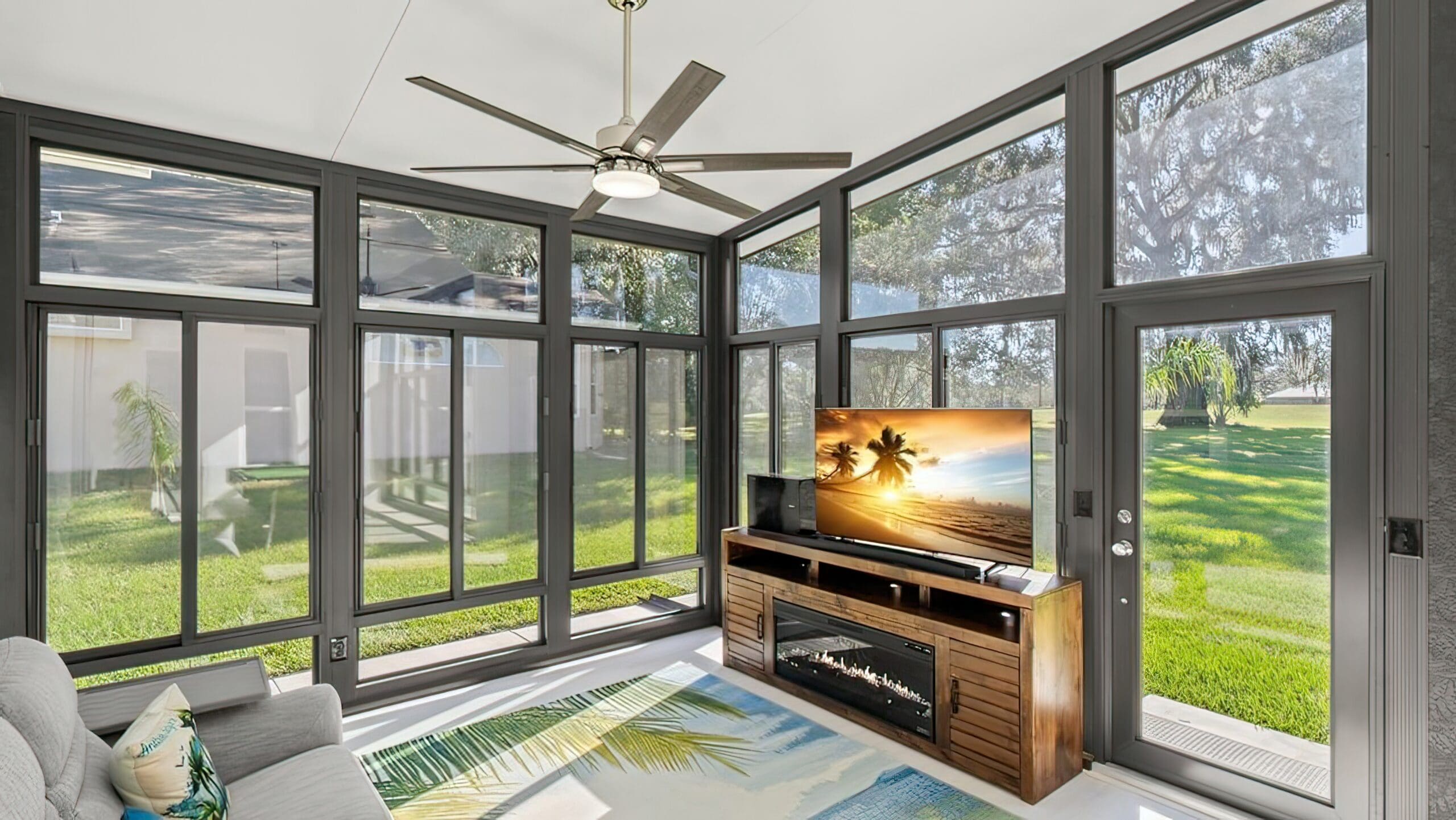
A sunroom is a versatile addition to any home, offering a bright, inviting space to enjoy natural light while remaining sheltered from the elements. Whether you envision a cozy reading nook, an elegant dining area, or a vibrant indoor garden, designing a sunroom requires careful consideration of both style and function. With the right planning, a sunroom can become a year-round retreat that enhances your home’s beauty and livability.
Maximizing Natural Light
The defining feature of a sunroom is its abundance of natural light. Large windows, glass walls, and even skylights can help capture sunlight throughout the day. Positioning windows to take advantage of morning or afternoon light can create a warm, cheerful atmosphere. Using light-colored walls and reflective surfaces can further enhance brightness, ensuring the space feels open and airy.
Choosing the Right Flooring
Flooring in a sunroom should be both stylish and durable. Materials like tile, engineered wood, or high-quality laminate are ideal because they withstand temperature fluctuations and sun exposure better than traditional hardwood. Consider adding area rugs to define zones or introduce color and texture while maintaining a comfortable and functional space.
Comfortable and Flexible Furniture
Selecting furniture for a sunroom requires a balance of comfort and practicality. Opt for pieces that can handle sun exposure and occasional temperature changes, such as wicker, rattan, or UV-resistant fabrics. Modular or lightweight furniture allows for flexibility in arranging seating areas for lounging, entertaining, or dining. Comfort and adaptability are key to making the sunroom a space you’ll enjoy year-round.
Incorporating Indoor Plants
Sunrooms provide an ideal environment for indoor plants, which add life, color, and a natural element to the space. Tall plants can help define corners, while hanging planters or small potted plants can create visual interest at eye level. Choosing plants that thrive in bright, indirect sunlight ensures a healthy, vibrant atmosphere that enhances both aesthetics and air quality.
Thoughtful Window Treatments
While sunlight is a highlight of a sunroom, controlling glare and heat is important for comfort. Sheer shades, solar blinds, or motorized window treatments allow you to adjust light levels throughout the day. These options also provide privacy without compromising the open, airy feel that makes sunrooms so appealing.
Creating Multiple Zones
A well-designed sunroom can serve multiple purposes by dividing the space into functional zones. Consider a reading corner with a cozy chair and side table, a dining area for meals or entertaining, and a small workspace for hobbies or projects. Using rugs, furniture placement, and decorative accents can help delineate these zones while maintaining a cohesive look.
Balancing Style and Function
The sunroom should reflect your personal style while remaining practical. Light, neutral colors enhance the sense of space, while pops of color in furniture, cushions, and décor can create a cheerful, inviting environment. Materials that are easy to clean and maintain are important for furniture and surfaces exposed to sunlight and outdoor debris.
Energy Efficiency Considerations
Sunrooms can be exposed to temperature fluctuations, so energy efficiency is an important design factor. Double-glazed windows, insulated frames, and energy-efficient glass can help regulate indoor temperatures. Adding ceiling fans or portable heating and cooling options ensures the space remains comfortable during both hot and cold months.
Lighting and Ambiance
Even though sunrooms are naturally bright during the day, supplemental lighting is necessary for evenings and overcast days. Layered lighting, such as overhead fixtures, floor lamps, and table lamps, allows for a warm, welcoming ambiance. Dimmable lights or accent lighting can enhance the mood and versatility of the space, making it suitable for relaxation or entertaining at any time.
Storage Solutions
Including storage in your sunroom helps maintain a clean and organized space. Built-in shelving, storage benches, or decorative baskets provide practical solutions for items like books, blankets, or gardening tools. Thoughtful storage keeps the room functional without disrupting the open, airy aesthetic that defines a successful sunroom.
Blending Indoor and Outdoor Living
A sunroom should feel connected to the outdoors while offering indoor comfort. Large windows and glass doors create a seamless transition between the sunroom and your backyard, patio, or garden. Incorporating natural materials, plants, and light-colored décor helps strengthen this connection, making the space feel like an extension of your outdoor environment.
Personal Touches and Décor
Adding personal touches ensures your sunroom reflects your lifestyle and preferences. Artwork, textiles, and decorative accessories can make the space feel welcoming and unique. Incorporate elements that inspire relaxation or creativity, whether it’s a favorite reading chair, a small water feature, or a collection of indoor plants. Personalizing the space transforms it from a simple room into a cherished retreat.
Making the Sunroom a Year-Round Space
With the right design and features, a sunroom can be enjoyed in every season. Energy-efficient windows, flexible heating and cooling options, durable furnishings, and thoughtful lighting all contribute to year-round comfort. By combining functionality with style, your sunroom becomes a space where you can relax, entertain, and enjoy natural light no matter the weather.
A thoughtfully designed sunroom balances beauty and functionality, creating a bright, inviting space that enhances your home’s livability. By considering natural light, furniture, energy efficiency, and personal style, you can transform your sunroom into a versatile retreat that you and your family will enjoy throughout the year.