

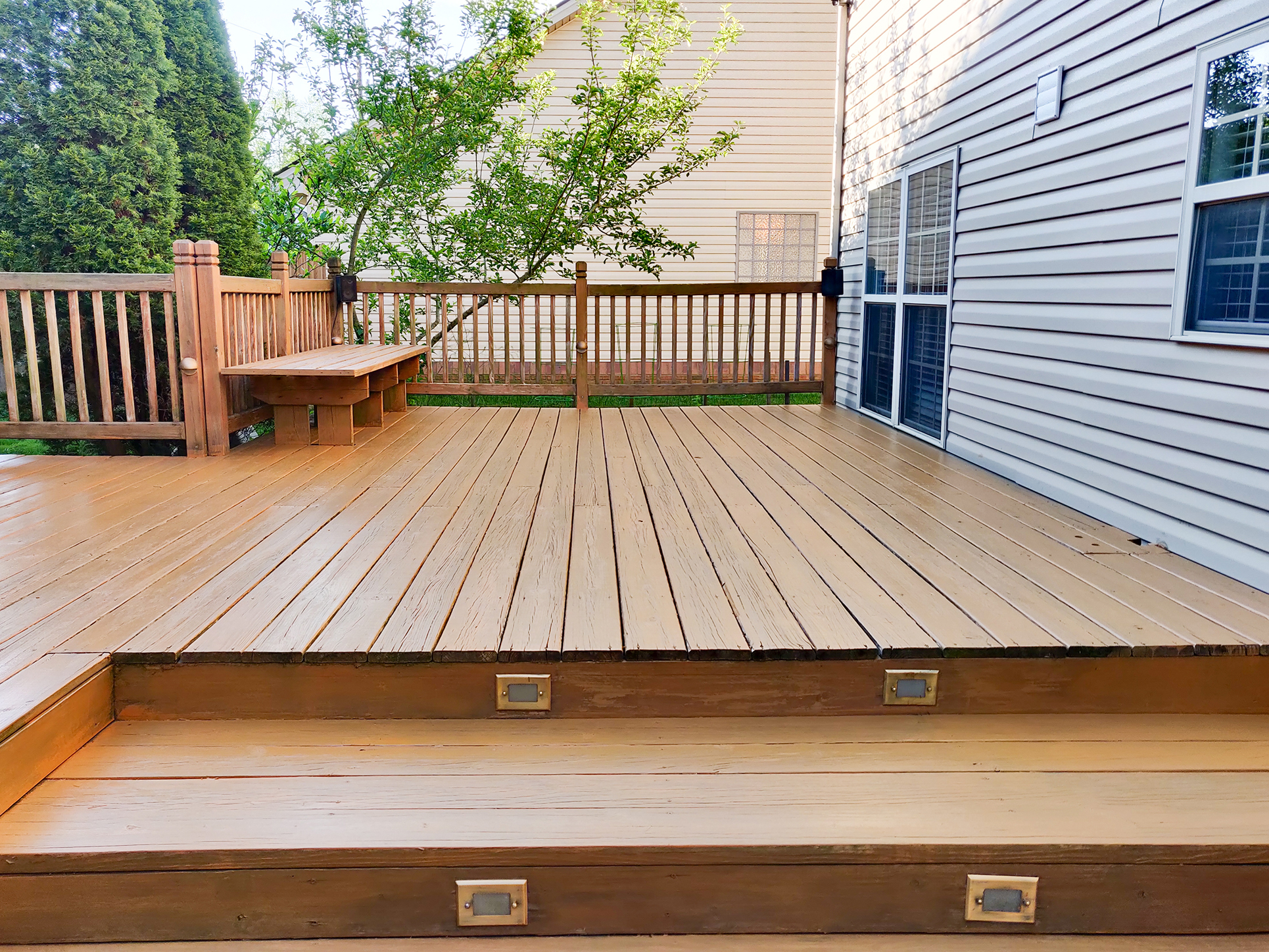
Updating or installing a deck can completely transform your outdoor living space, making it more functional, attractive, and enjoyable. One of the most important decisions in any deck remodel is selecting the right decking material. The material you choose impacts not only the look and feel of your deck but also its durability, maintenance, and long-term value. With advancements in decking options and new trends for 2026, homeowners now have a variety of materials to consider, from classic wood to modern composites, each with its unique benefits and considerations. Understanding the pros and cons of different decking materials will help you make the best choice for your home and lifestyle.
Natural Wood
Traditional wood decking remains a popular choice for its timeless appeal and natural beauty. Options such as cedar, redwood, and pressure-treated pine provide a warm, authentic aesthetic that blends seamlessly with outdoor landscapes. Wood is versatile and can be stained or painted in a variety of finishes, allowing homeowners to customize their deck’s look. However, wood requires regular maintenance, including sealing, staining, and cleaning, to prevent warping, cracking, and weather damage. For those who appreciate a classic feel and are willing to invest in upkeep, natural wood is a beautiful and traditional option.
Composite Decking
Composite decking, made from a blend of wood fibers and recycled plastic, has grown increasingly popular due to its low-maintenance qualities. Unlike natural wood, composite decks resist rot, fading, and insect damage, making them ideal for long-term durability. These decks often feature textured surfaces that mimic the appearance of real wood while offering added slip resistance. Composite decking is available in a wide range of colors and finishes, allowing homeowners to achieve the look of wood without the ongoing upkeep. For families or busy homeowners seeking a durable and attractive option, composite decking provides a reliable solution.
PVC Decking
PVC (polyvinyl chloride) decking is a fully synthetic option designed to withstand extreme weather conditions while requiring minimal maintenance. Unlike wood or composite materials, PVC decking will not absorb moisture, warp, or rot, making it especially suitable for areas with high humidity or frequent rainfall. PVC decks are also lightweight and resistant to scratches and stains, providing a long-lasting, clean-looking surface. While typically more expensive upfront, PVC decking offers a highly durable, low-maintenance solution for homeowners who prioritize longevity and minimal upkeep.
Aluminum Decking
Aluminum decking is a modern, high-performance option known for its strength, durability, and resistance to weather, fire, and insects. It is virtually maintenance-free, requiring only occasional cleaning, and is resistant to fading, cracking, and corrosion. Aluminum decks often feature a sleek, contemporary aesthetic, making them popular for modern outdoor remodels. They also offer superior structural integrity, allowing for larger spans and creative deck designs without additional support. While aluminum tends to have a higher initial cost, its longevity and low maintenance make it a smart long-term investment.
Maintenance and Longevity
Different decking materials require varying levels of maintenance, which can impact both cost and convenience. Natural wood decks need regular sealing, staining, and cleaning to prevent deterioration, while composites and PVC require minimal maintenance. Aluminum decking is nearly maintenance-free. Considering how much time, effort, and money you are willing to invest in upkeep is crucial to making a decision that fits your lifestyle.
Budget and Long-Term Value
Budget plays a key role in choosing the right decking material. While natural wood is often less expensive upfront, its maintenance costs can add up over time. Composite, PVC, and aluminum may have higher initial costs but offer long-term savings through durability and reduced upkeep. Investing in a high-quality decking material can increase your home’s value and enhance your outdoor living experience for years to come.
Aesthetic and Design Goals
Finally, consider the aesthetic you want to achieve with your deck. Wood provides a classic, natural look, while composites and PVC can mimic wood or offer modern colors and finishes. Aluminum creates a sleek, contemporary style. Think about how your deck will complement your home’s architecture, landscaping, and outdoor furnishings to create a cohesive and visually appealing space.
Choosing the right decking material is a crucial step in any outdoor remodel. By evaluating factors such as durability, maintenance, climate, budget, and design goals, homeowners can select a material that meets their needs and enhances their outdoor living space. Whether you prefer the timeless appeal of natural wood, the low-maintenance convenience of composite or PVC, or the modern durability of aluminum, the right decking material can transform your patio or deck into a functional, stylish, and long-lasting extension of your home. Planning carefully now ensures that your deck remains comfortable, attractive, and enjoyable for years to come.